Medically Supervised Diet
A medically supervised diet is a weight loss plan desined and overseen by healthcare professionals, offering a personalized approach to address individual needs and health conditions. These programs often involve a combination of dietary changes, physical activity, and behavioral therapy, and may include medications or surgery in some cases. The key difference from commercial weight loss programs is the medical supervision, which ensures safety and effectiveness.

- Individualized Plans: Medically supervised diets are tailored to each person's specific medical history, metabolic rate, and lifestyle factors.
- Medical Professionals: These programs are led by a team of healthcare professionals, including doctors, dietitians, and potentially nurses or other specialists.
- Comprehensive Approach: They address not only dietary changes but also physical activity, behavioral therapy, and may incorporate medications or surgery if needed.
- Focus on Long-Term Success: Medically supervised diets emphasize sustainable lifestyle changes to help individuals maintain weight loss over time.
Elements of Our Weight Loss Plan
Whole Foods
Plant Forward
Healthy Plate
Glucose Hacking
Intermittent Fasting
Customizable
Whole Foods
A whole foods diet focuses on eating foods in their natural, unprocessed state, emphasizing fresh fruits, vegetables, whole grains, nuts, and legumes, while limitng or eliminting process foods high ing sugars, un healthy fats, and excessive salts. The goal is to consume foods closer to their original form, which provides more essential nutrients, fiber, and benefits for overall health, potentially reducing the risk of chronic diseases like heart disease and improving digestion
- Fruits and Vegetables: Fresh, frozen, or canned fruits and vegetables are excellent choices, providing vitamins, minerals, and antioxidants.
- Whole Grains: Opt for whole grains like oats, brown rice, and whole wheat, which are rich in fiber and beneficial fats.
Legumes: Beans, lentils, and other legumes are nutritious sources of fiber and plant-based protein. - Nuts and Seeds: Provide healthy fats, fiber, and other vital nutrients.
- Lean Proteins: Choose lean animal proteins like fish and shellfish, or plant-based alternatives like nuts, seeds, and legumes.
- Healthy Fats: Incorporate natural sources of fat like nuts, seeds, and olive oil.
Benefits
- Improved Heart Health: Reduced intake of saturated fat and sodium can lower the risk of heart disease and high blood pressure.
- Better Blood Sugar Control: Helps manage type 2 diabetes and improve insulin resistance.
- Weight Management: Focuses on nutrient-dense foods, which can help with weight loss and management.
- Reduced Cancer Risk: Plant-based foods contain phytochemicals that protect cells from damage.
Plant Forward
A plant-forward diet is a dietary pattern that emphasizes consuming primarily plant-based foods, while still allowing for some animal products. It is not a strict vegetarian or vegan diet, but rather a flexible approach that encourages individuals to prioritize plant foods in their meals.
Key Principles:
- Focus on plant-based foods:
Fruits, vegetables, legumes, nuts, seeds, whole grains, and plant-based proteins. - Reduce animal products:
Limit meat, poultry, and dairy products, but do not necessarily eliminate them. - Make plant foods the centerpiece of meals:
Place fruits, vegetables, and legumes as the main components of dishes, with animal products serving as a complementary role. - Allow for flexibility:
Individuals can adjust their intake of plant and animal foods based on their preferences and dietary restrictions.
Benefits:
- Improved health:
Plant-forward diets are typically rich in fiber, vitamins, minerals, and antioxidants, which can reduce the risk of chronic diseases such as heart disease, type 2 diabetes, and some types of cancer. - Environmental sustainability:
Plant-based foods have a lower environmental impact compared to animal-based foods, reducing greenhouse gas emissions and deforestation. - Weight management:
Plant-forward diets tend to be lower in calories and saturated fat, which can promote weight loss or maintenance.
Healthy Plate
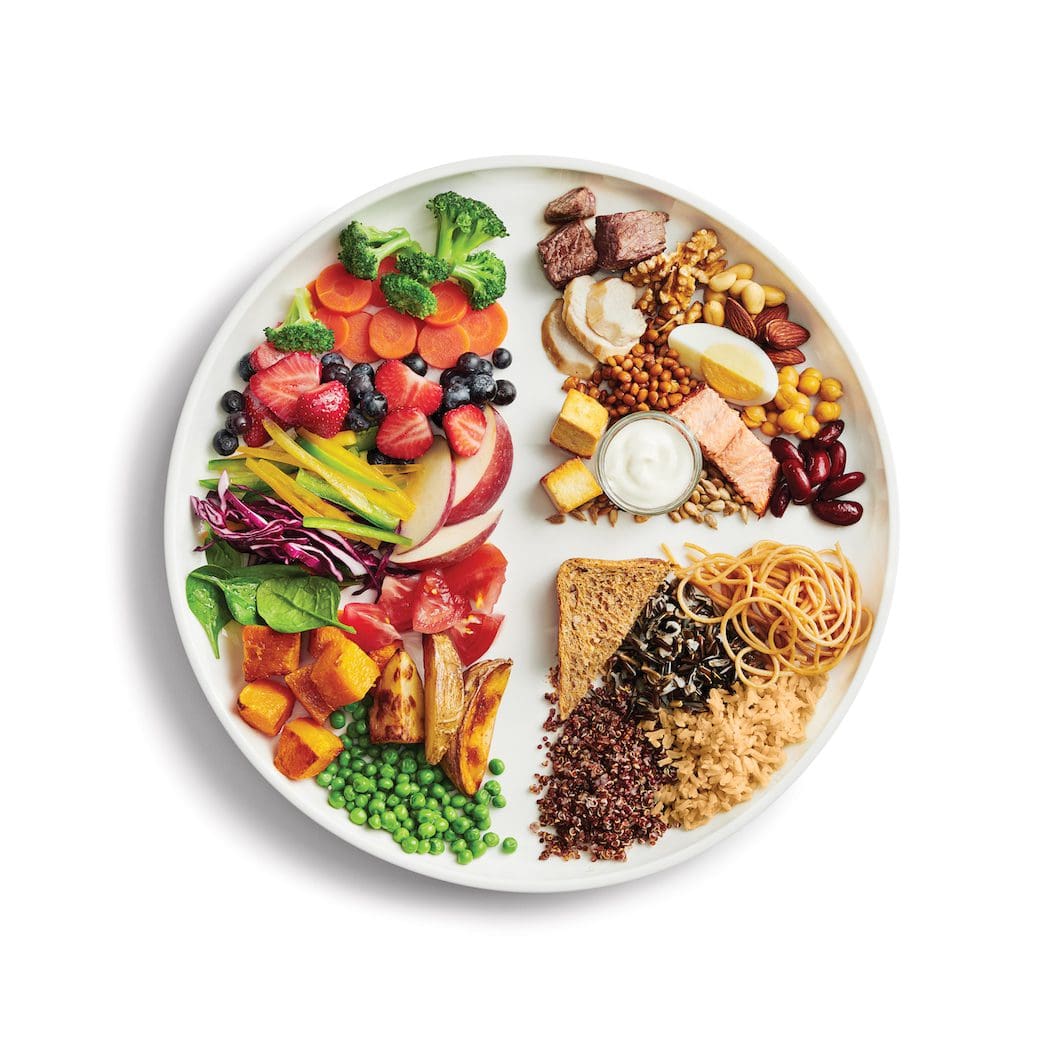
The healthy eating plan use a plate as a visual guide,that helps you construct a balanced meal by portioning foods into recommended amounts. Typically, a healthy plate is divided with half of the plate filled with vegetables, one-quarter with lean proteins (like fish, chicken, or beans), and the final quarter with whole grains or starchy foods.
- Fruits and vegetables: These should make up half of your plate at every meal. Aim for a variety of types and colors to maximize your intake of vitamins, minerals, and fiber.
- Whole grains: Base your meals on whole or intact grains, such as whole-wheat bread, brown rice, quinoa, and oatmeal. These provide more fiber and have a milder effect on blood sugar than refined grains like white bread and white rice.
- Healthy proteins: Include a variety of protein sources like fish, poultry, beans, lentils, eggs, nuts, and seeds. These should fill about a quarter of your plate.
- Healthy fats: Use healthy vegetable oils, such as olive, canola, and sunflower oil, in moderation for cooking and dressing. Limit saturated fats found in red meat and full-fat dairy, and avoid trans fats entirely.
- Water and other healthy drinks: Make water your primary beverage. Unsweetened coffee and tea are also good options. Limit milk and dairy to one or two servings per day and avoid sugary drinks like soda and juice
-
Balance and Variety: Consume foods from all five groups—fruits, vegetables, grains, protein, and dairy—to get the nutrients your body needs.
-
Whole Grains: Choose whole grains over refined grains for increased fiber content, which aids digestion and promotes feelings of fullness.
-
Healthy Fats: Incorporate healthy fats, such as those found in olive oil, nuts, and seeds, and limit unhealthy fats, like those in high-fat meats and processed foods.
-
Hydration: Drink water, coffee, or tea instead of sugary beverages like soda or sports drinks.
- Portion Control: Be mindful of your portion sizes to maintain a healthy balance.
Benefits of Healthy Eating Plan
- Promote overall health,
- Help manage weight
- Reduce the risk of chronic diseases like heart disease and diabetes.
Glucose Hacking
Core principles
- Glucose hacking works by minimizing sharp rises and crashes in blood sugar. These rapid fluctuations, or "spikes," can increase the risk of insulin resistance, chronic disease, and contribute to fatigue and mood swings.
- The fundamental strategies, or "hacks," are rooted in the biochemistry of how the body processes sugar and starches.
Example of glucose hacks
- Eat food in the right order: Consume vegetables first, followed by proteins and fats, and save starches and sugars for last. The fiber in vegetables and the macronutrients in protein and fat create a protective layer in the intestines that slows the absorption of glucose.
- Move after meals: A 10–15 minute walk or other light activity immediately after eating helps your muscles use the circulating glucose for energy, preventing it from spiking in your bloodstream.
- Add a vinegar starter: Drinking a tablespoon of vinegar (like apple cider vinegar) diluted in water before a meal can help reduce the post-meal glucose spike. The acetic acid in vinegar slows the conversion of starches to sugar.
- Favor a savory breakfast: Starting the day with protein and healthy fats instead of sugary carbs like cereal or pastries can set a stable blood sugar level for the rest of the day, reducing cravings and energy crashes.
- "Clothe your carbs": Always pair carbohydrates with fiber, fat, or protein. For example, add nut butter to an apple or cheese to crackers. This slows digestion and moderates glucose absorption.
Potential benefits
- Increased energy: Avoiding the blood sugar "rollercoaster" can eliminate post-meal fatigue and slumps.
- Reduced cravings: Stable glucose levels help prevent the rebound sugar cravings that often follow a crash.
- Weight management: Balancing blood sugar can help mitigate insulin resistance and reduce the urge to overeat.
- Improved mood and mental clarity: Stable energy and blood sugar levels are linked to better focus and fewer mood swings.
- Better long-term health: Over time, reducing glucose spikes can lower inflammation and decrease the risk of conditions like Type 2 diabetes and heart disease.
Intermittent Fasting
Intermittent fasting (IF) is an eating pattern that cycles between periods of eating and voluntary fasting on a regular schedule. It's not a diet in the traditional sense, as it doesn't dictate what foods to eat, but rather when to eat. The core idea is to restrict food intake for a certain number of hours each day or on certain days of the week, allowing the body to tap into its fat stores for energy.
-
Metabolic Switch: When you fast for more than 12 hours, your body's glucose levels start to drop. Your body then switches from using glucose (from food) to using fat for energy. This metabolic switch involves the production of ketones, which can be used as fuel.
-
Potential Benefits: Intermittent fasting has been linked to various potential benefits, including weight loss, improved blood sugar control, reduced inflammation, and potential improvements in brain health.
There are several popular methods for intermittent fasting:
- 16/8 method: Involves fasting for 16 hours and eating all meals within an 8-hour window.
- 5:2 Diet: Involves eating normally for five days and restricting calories (e.g., to 500-600 calories) on two non-consecutive days.
- Eat-Stop-Eat Methods: Involves one or two 24-hour fasts per week.
- Alternate-day Fasting: Involves alternating between days of eating normally and days of fasting or severely restricting calories.